- Home
- News & Events
- News
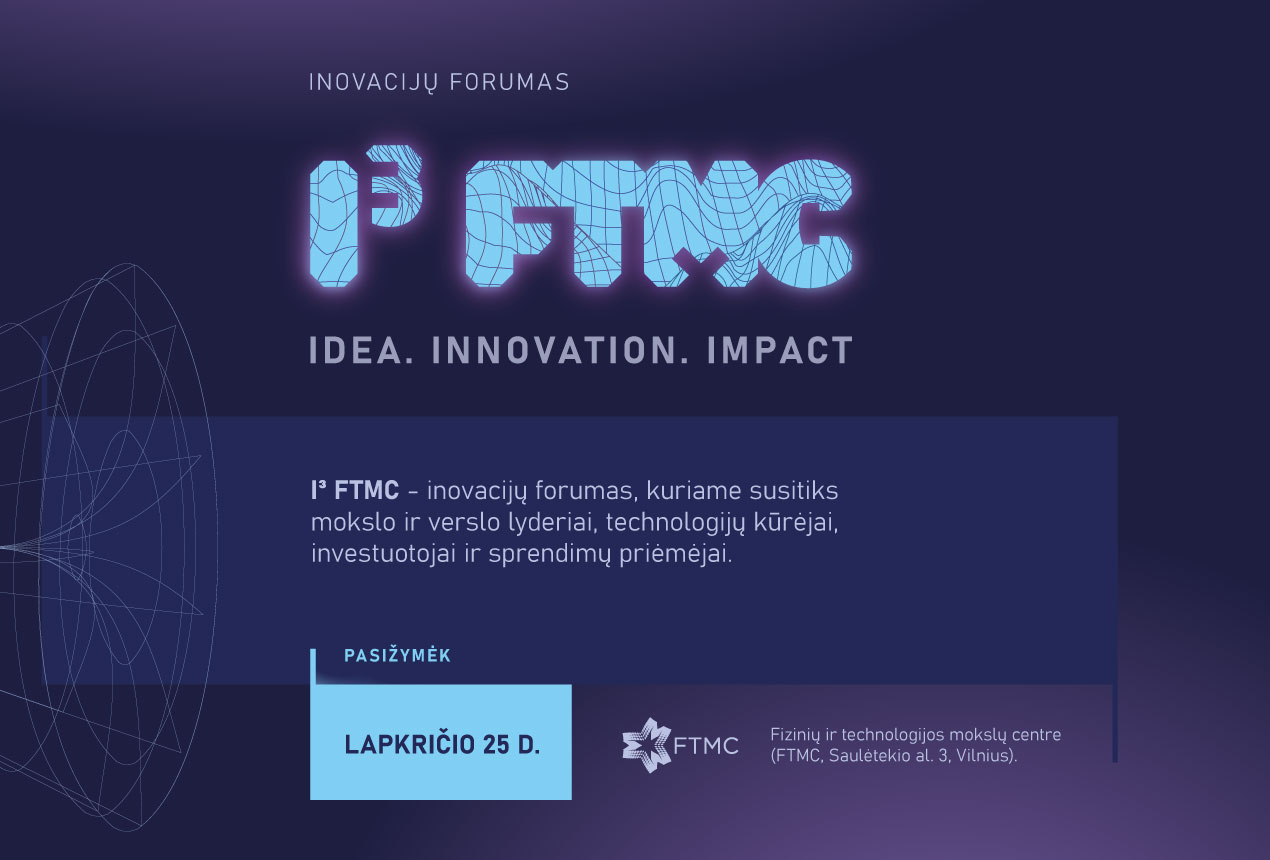
From Ideas to Impact: Innovation Forum “I³ FTMC: Idea. Innovation. Impact”
How does a scientific idea become an innovation? What makes a technological solution attract investment, reach the market, and generate a tangible impact on society and the economy? These questions will be addressed on November 25 at the innovation forum “I³ FTMC: Idea. Innovation. Impact”, organised by the Center for Physical Sciences and Technology (FTMC).
The event will bring together science and business leaders, technology developers, investors, startup representatives, and decision-makers for a joint discussion on the emergence, development, and impact of innovation. As reflected in its title, the forum's programme is built around three key stages of the innovation journey: ideas, innovation, and impact.
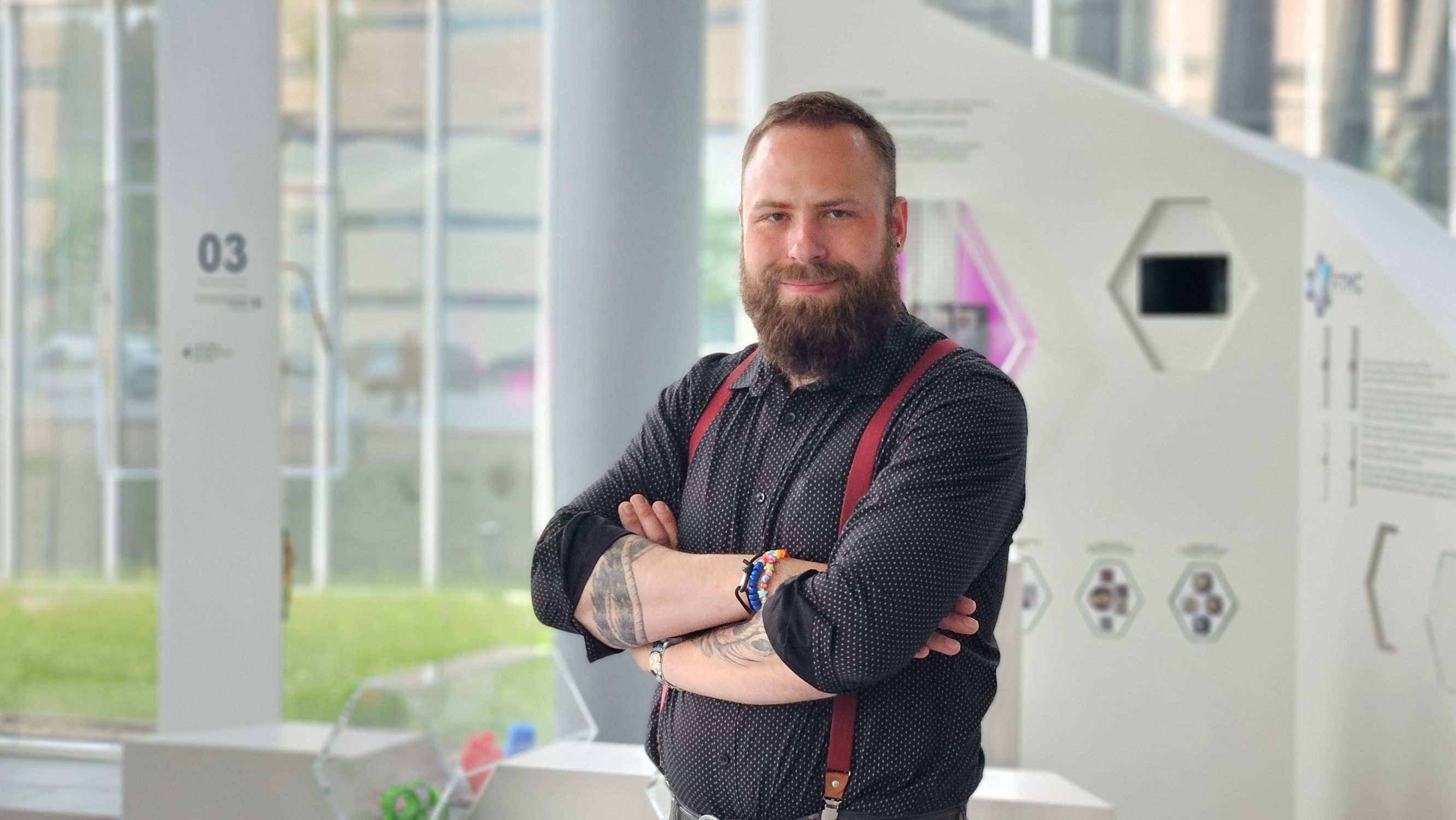
“At this forum, we want to showcase the entire journey from an idea to an innovation, and from innovation to tangible impact. Our aim is to bring these stages together in one comprehensive discussion. Different sessions will feature scientists developing new technologies, those whose ideas have already become innovations, as well as companies whose solutions are making an impact on the Lithuanian and global economies,” says Romuald Eimont, Head of the FTMC Innovation Department and one of the forum's organisers.
Forum participants can look forward to inspiring presentations, panel discussions, open conversation sessions, technology showcases, presentations by startups and researchers, as well as numerous opportunities to establish new connections between the scientific, business, and investment communities.
“We aim not only to share what has been achieved at FTMC, but also to create opportunities for new partnerships – between science and business, as well as between companies themselves. That is why the event will feature an exhibition area, and this year we are inviting companies to take part free of charge. We welcome not only those we already collaborate with, but also companies that see potential for joint projects in the future,” says R. Eimont.
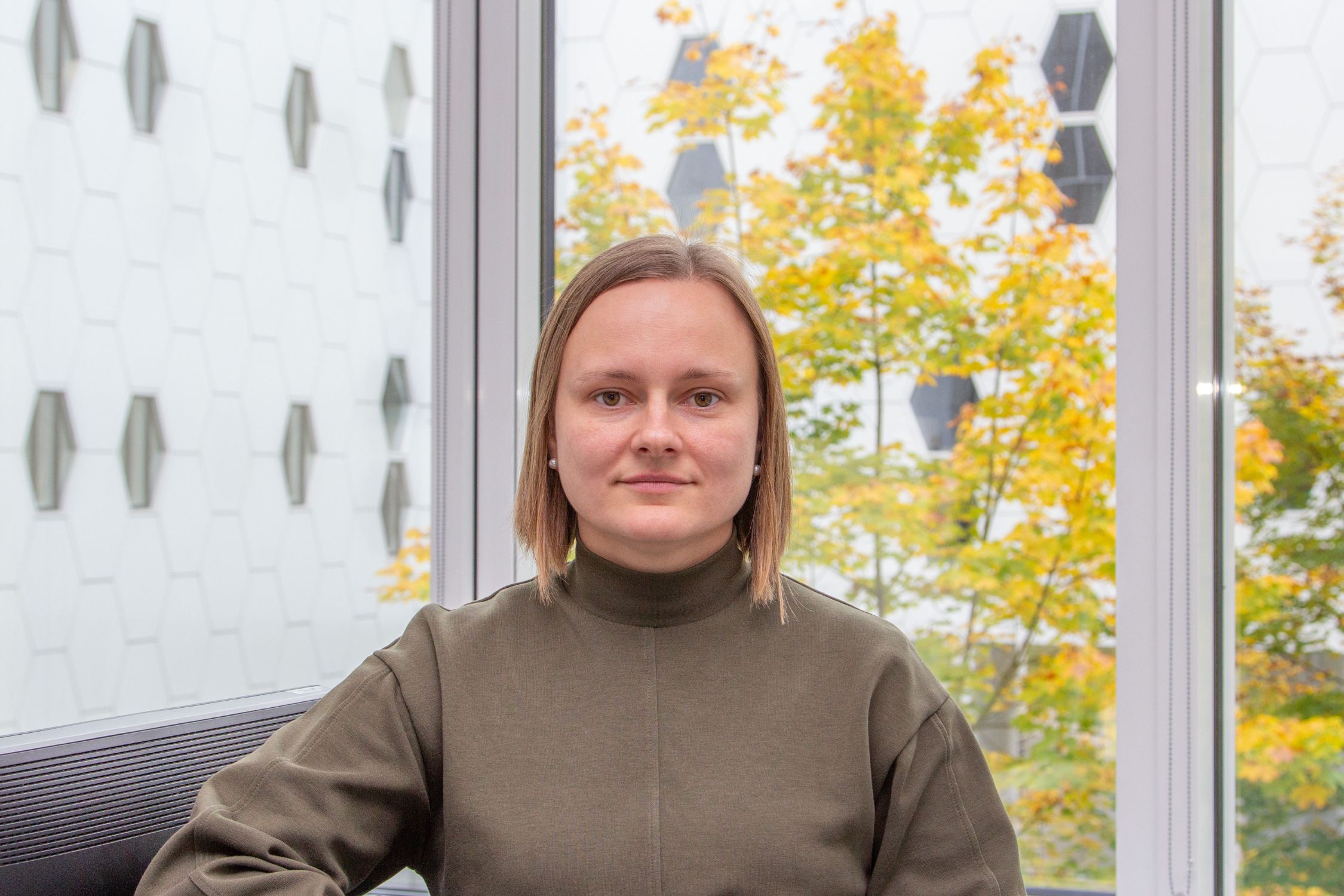
One of the forum's speakers, Dr Dovilė Čibiraitė-Lukenskienė, a physicist at the FTMC Department of Optoelectronics, will present a talk entitled “Terahertz Sensors: New Opportunities for Environmental Monitoring?”. She promises to give the audience an insight into the long and fascinating research journey from an initial scientific idea to a product that meets society's needs.
“During my presentation, we will discuss the fundamental principles of physics that extend the capabilities of a standard computer transistor, enabling it to be used for the detection of high-frequency terahertz radiation. Having explored these physical principles, we will look at potential application areas and the results achieved so far,” says Dr Čibiraitė-Lukenskienė.
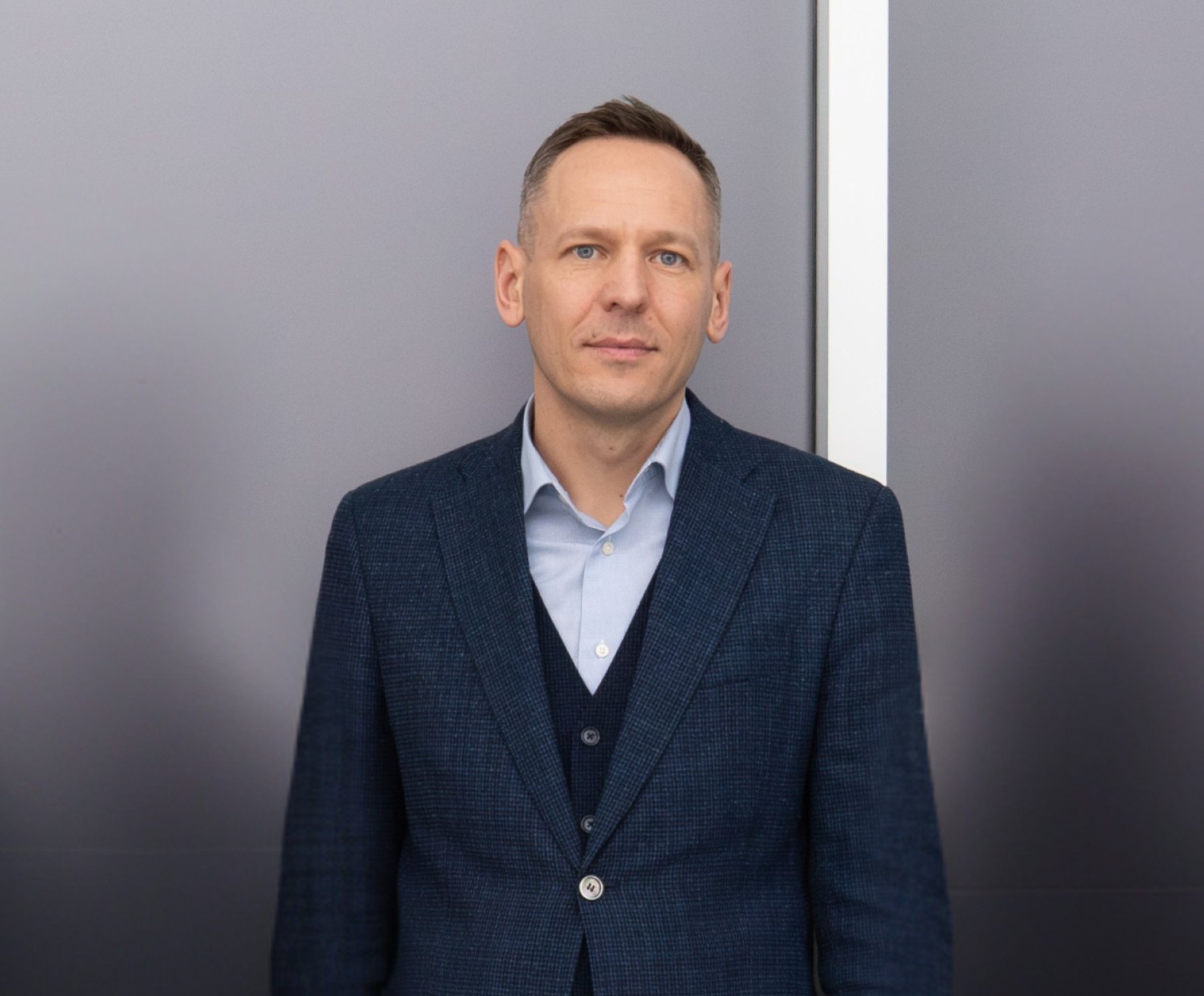
Meanwhile, Dr Saulius Tumėnas, a researcher at the FTMC Department of Optoelectronics and Head of the Lithuanian Chips Competence Centre, will present on another highly relevant topic: “CHIPS: From Scientific Expertise to Semiconductor Innovation”.
“Lithuania does not have a chip fabrication plant and is not seeking to replicate one. However, it does have what the semiconductor industry increasingly needs: laser technologies, strong expertise in electronics, and research centres capable of working with materials, measurements, and chip integration. When establishing the Competence Centre, we first asked companies what they needed from science, and the answer was clear – people and expertise. From there, the next step is a direct path to European pilot lines, design platforms, and funding opportunities. In my presentation, I will show how we developed ChipsC²-LT based on these needs, how lasers fit into the chip manufacturing value chain, and what researchers and companies seeking to take their technologies from the laboratory to the market can gain from this initiative,” says Dr Tumėnas.
According to the Head of the FTMC Innovation Department, another important aim of the event is to promote a broader understanding of how innovation comes about and to demonstrate that it does not happen on its own.
“A scientist who not only generates new knowledge but also seeks to turn an idea into a real product or business is still a relatively rare phenomenon. However, this is precisely the mindset we need to encourage. The forum will offer an opportunity to hear successful examples of this journey, as well as learn about the different experiences of FTMC researchers and industry representatives,” says R. Eimont, one of the organisers of “I³ FTMC: Idea. Innovation. Impact”. He adds that everyone interested in the future of technology and innovation in Lithuania is welcome to attend.
The managing authority of the 2022–2030 Development Programme is the Ministry of Education, Science and Sport of the Republic of Lithuania. The project is implemented under Progress Measure No. 12-001-01-02-01, “Strengthening Innovation Ecosystems in Research Centres”, and is co-funded by the European Union.